


Targeted research on this extremely rare species has been conducted since the late 1980s. It began with the unexpected discovery of a breeding pair in the Iman River (Bolshaya Ussurka) basin, in an area where the species had long been considered extinct. Subsequent targeted surveys revealed additional habitats, significantly changing our understanding of the species’ current status and providing a basis for expanding further research.
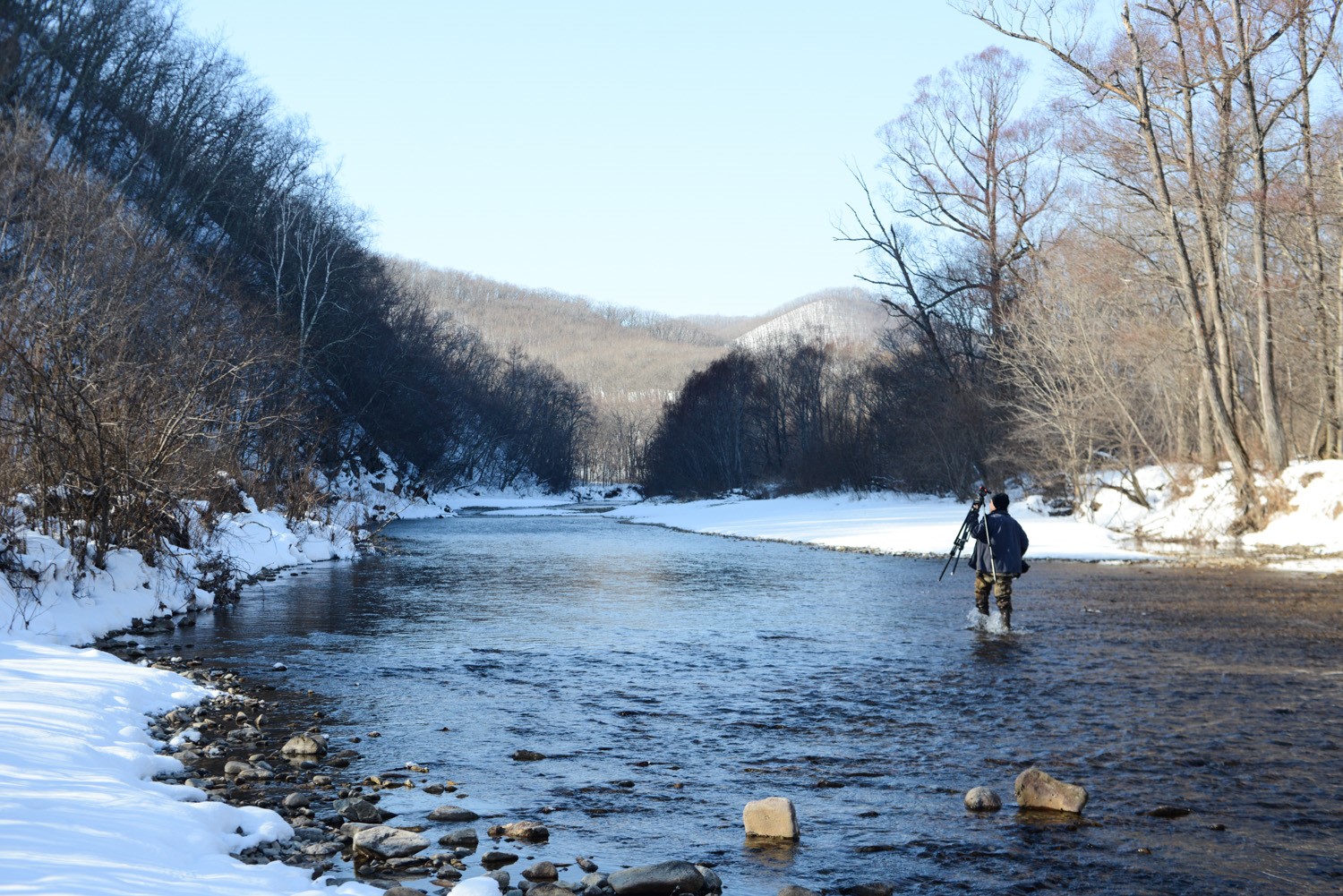
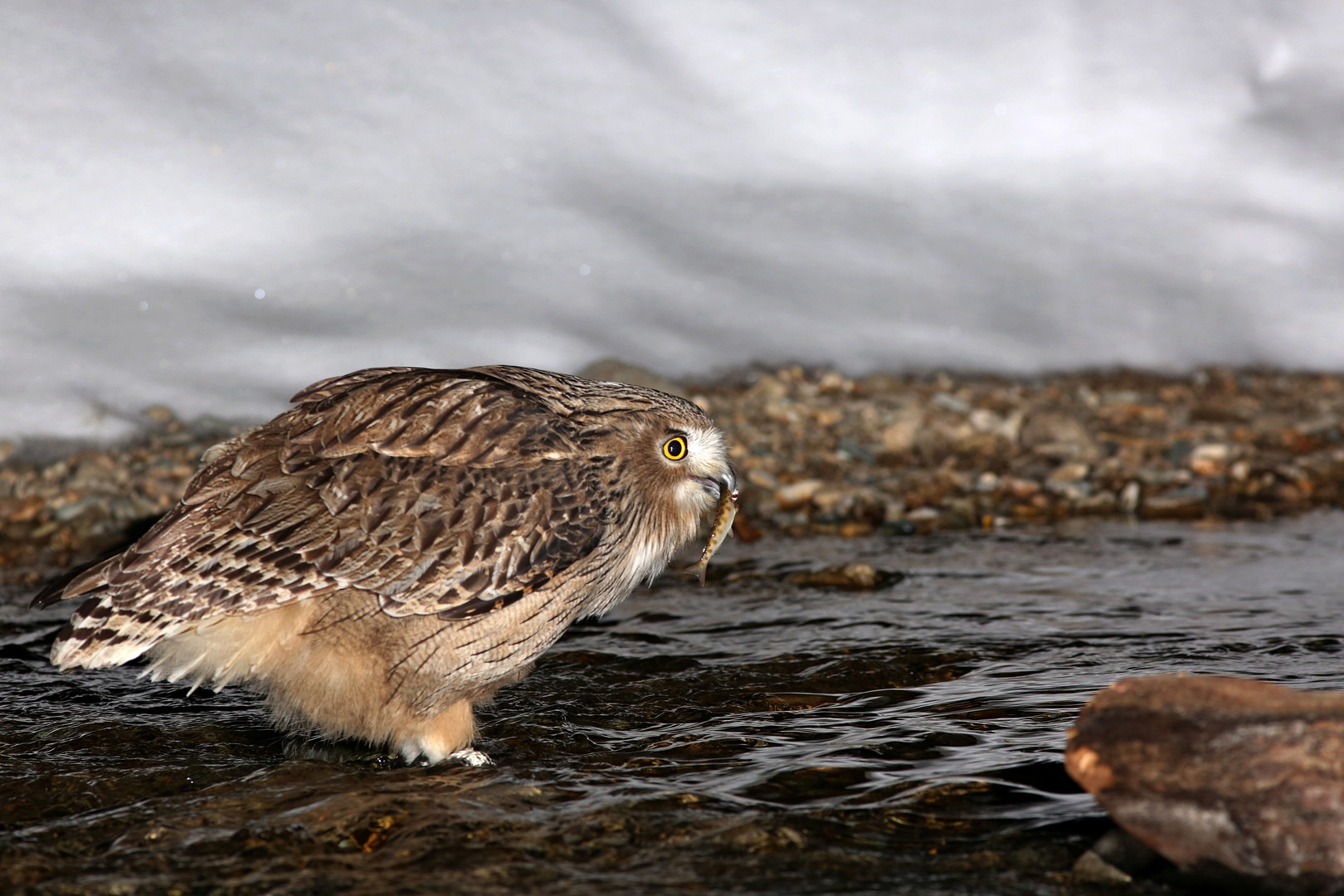
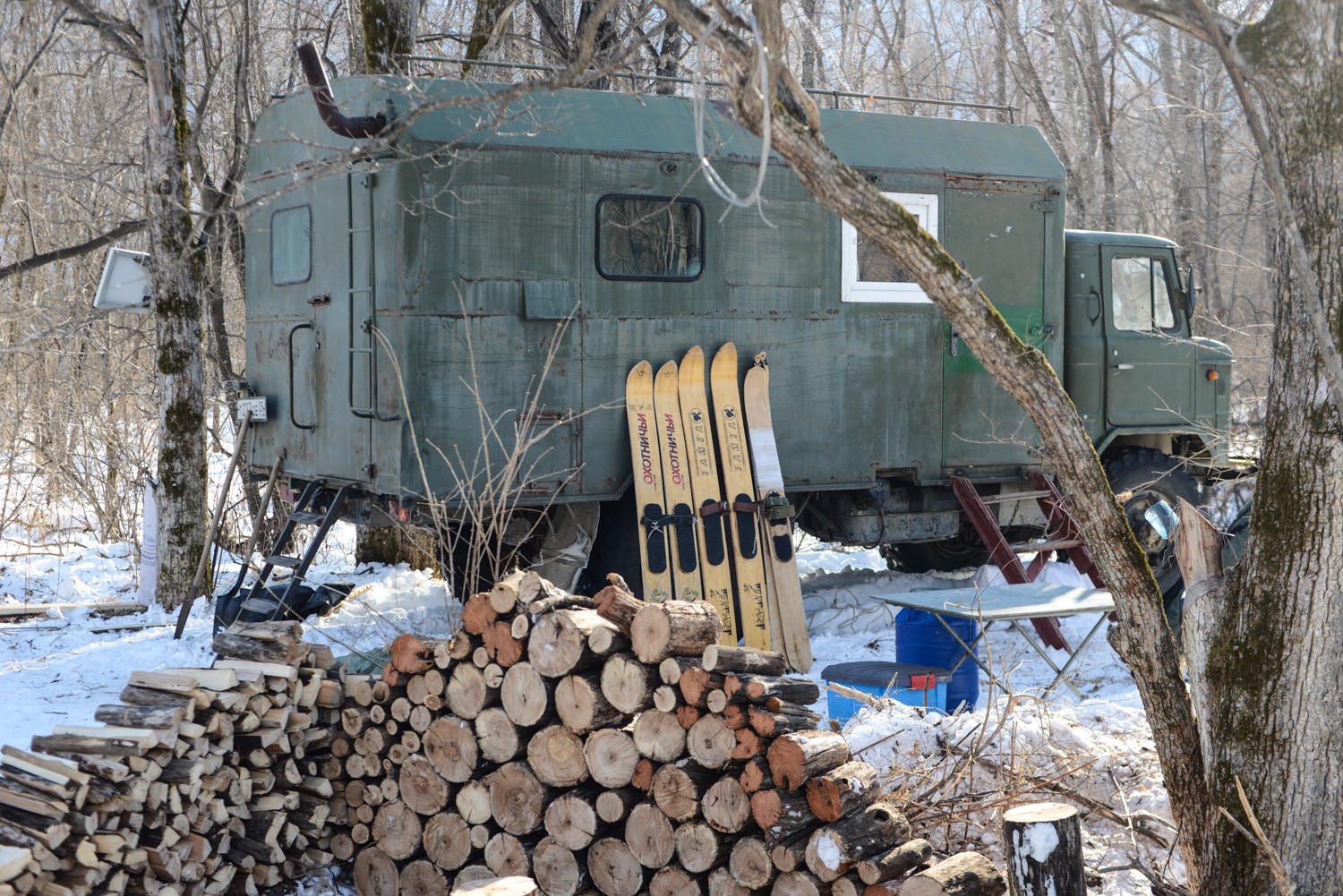
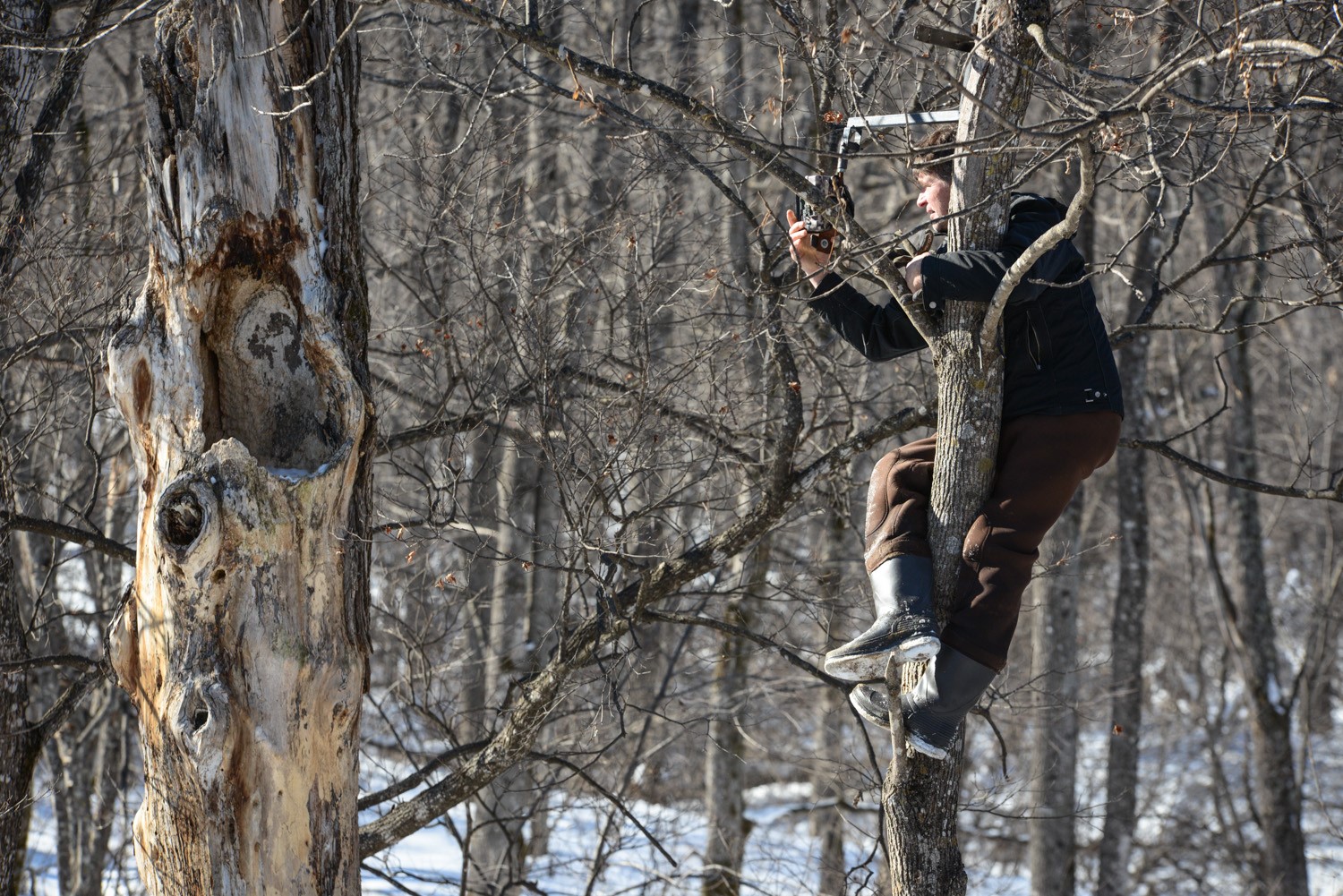
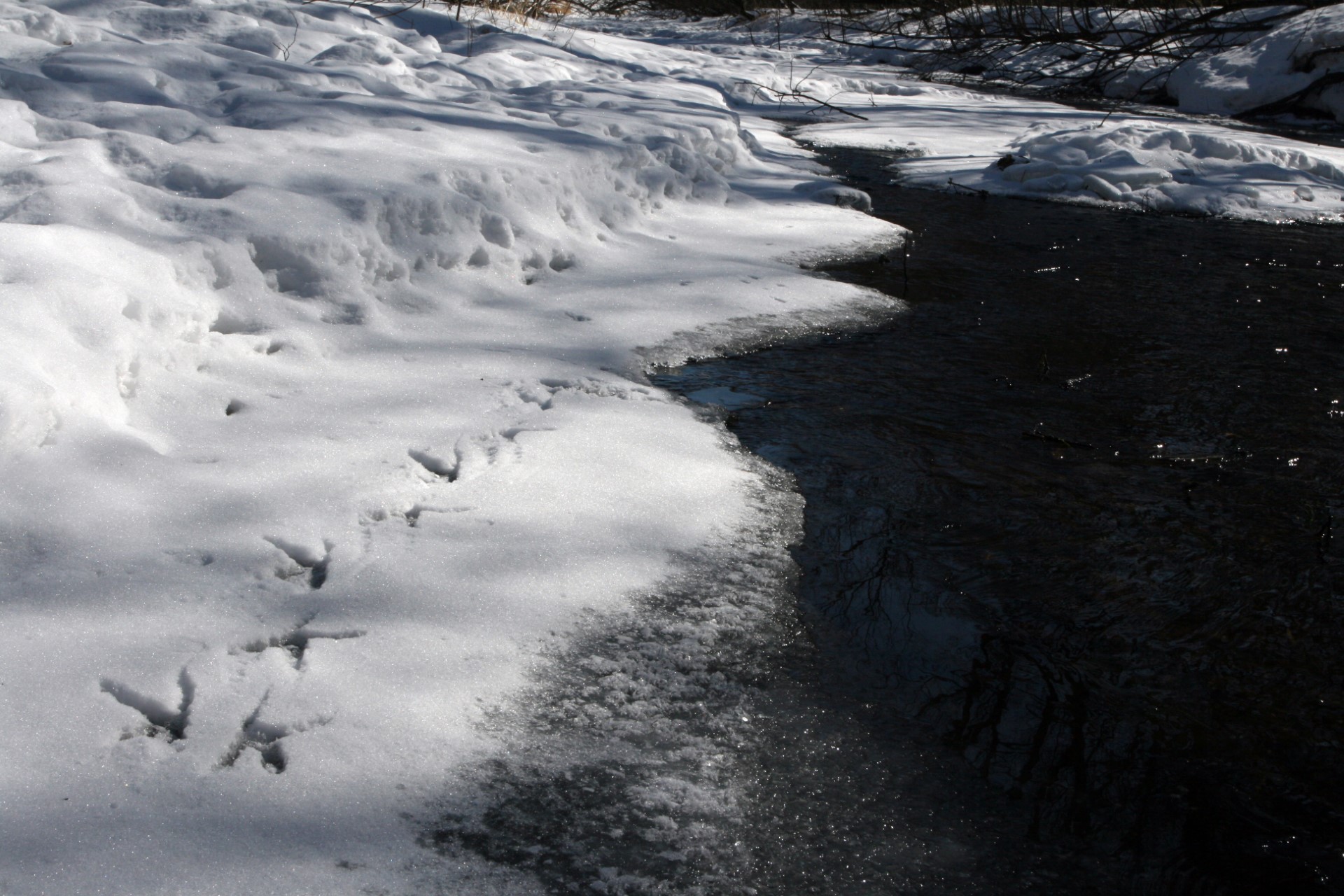
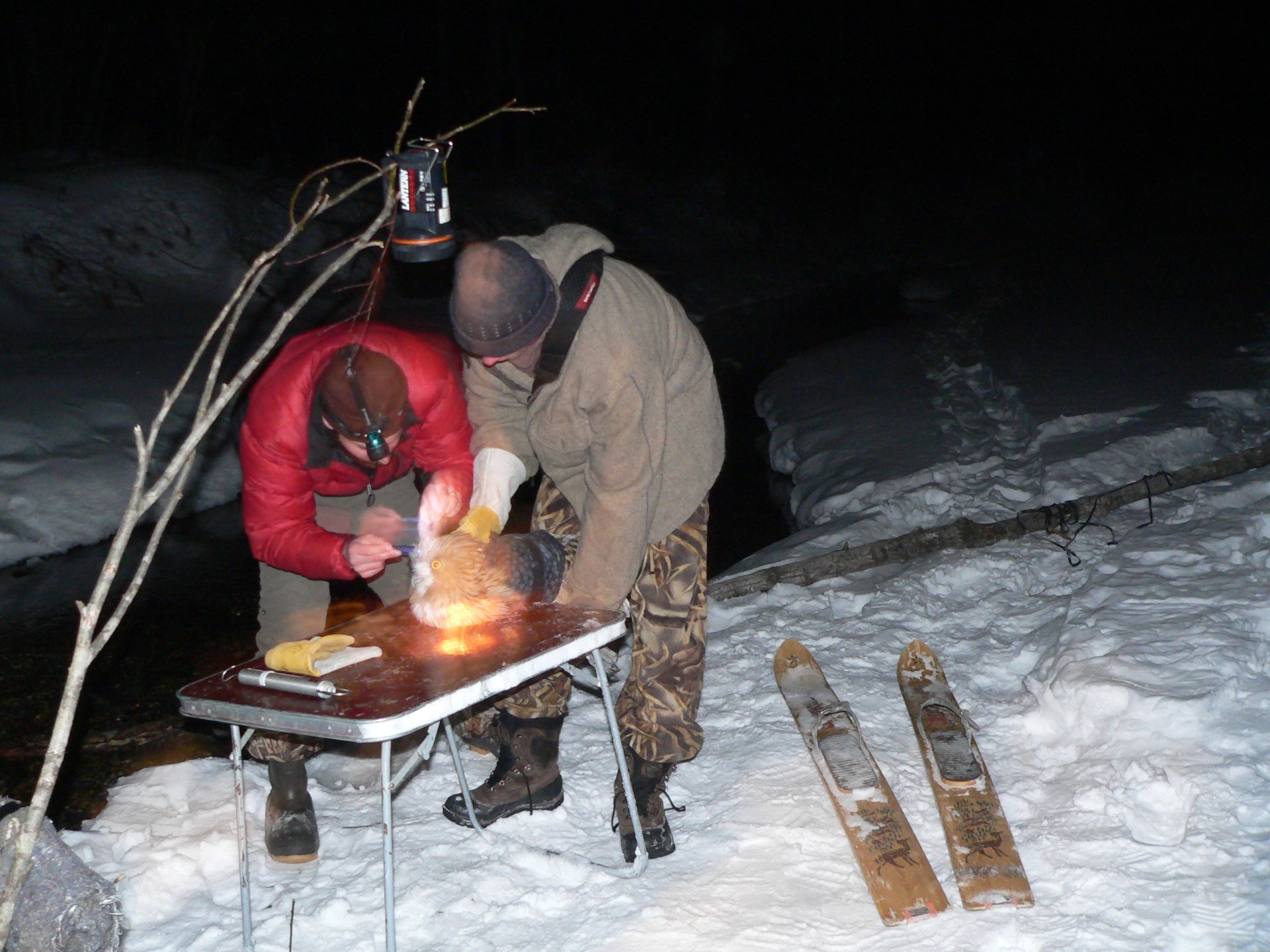
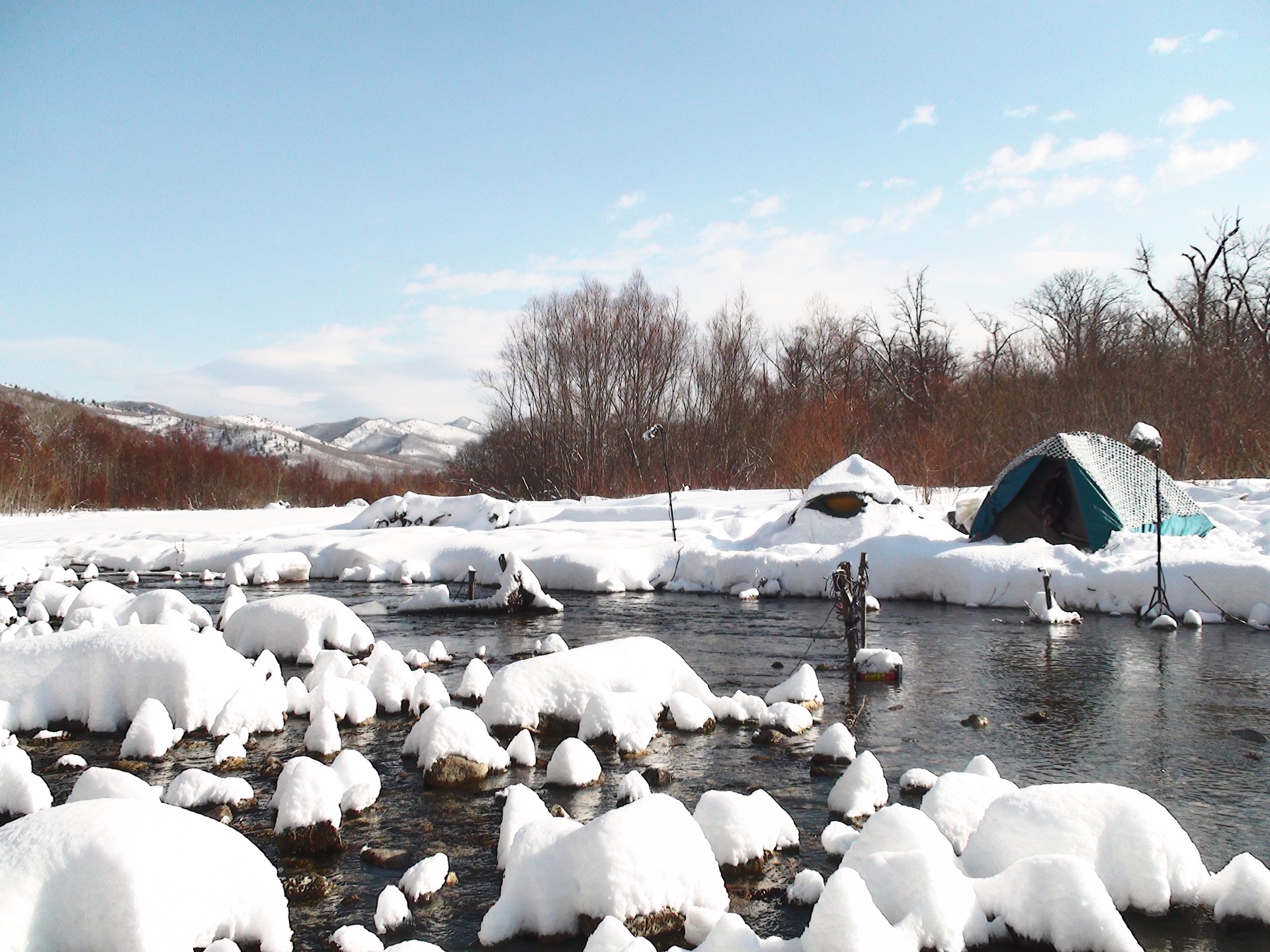
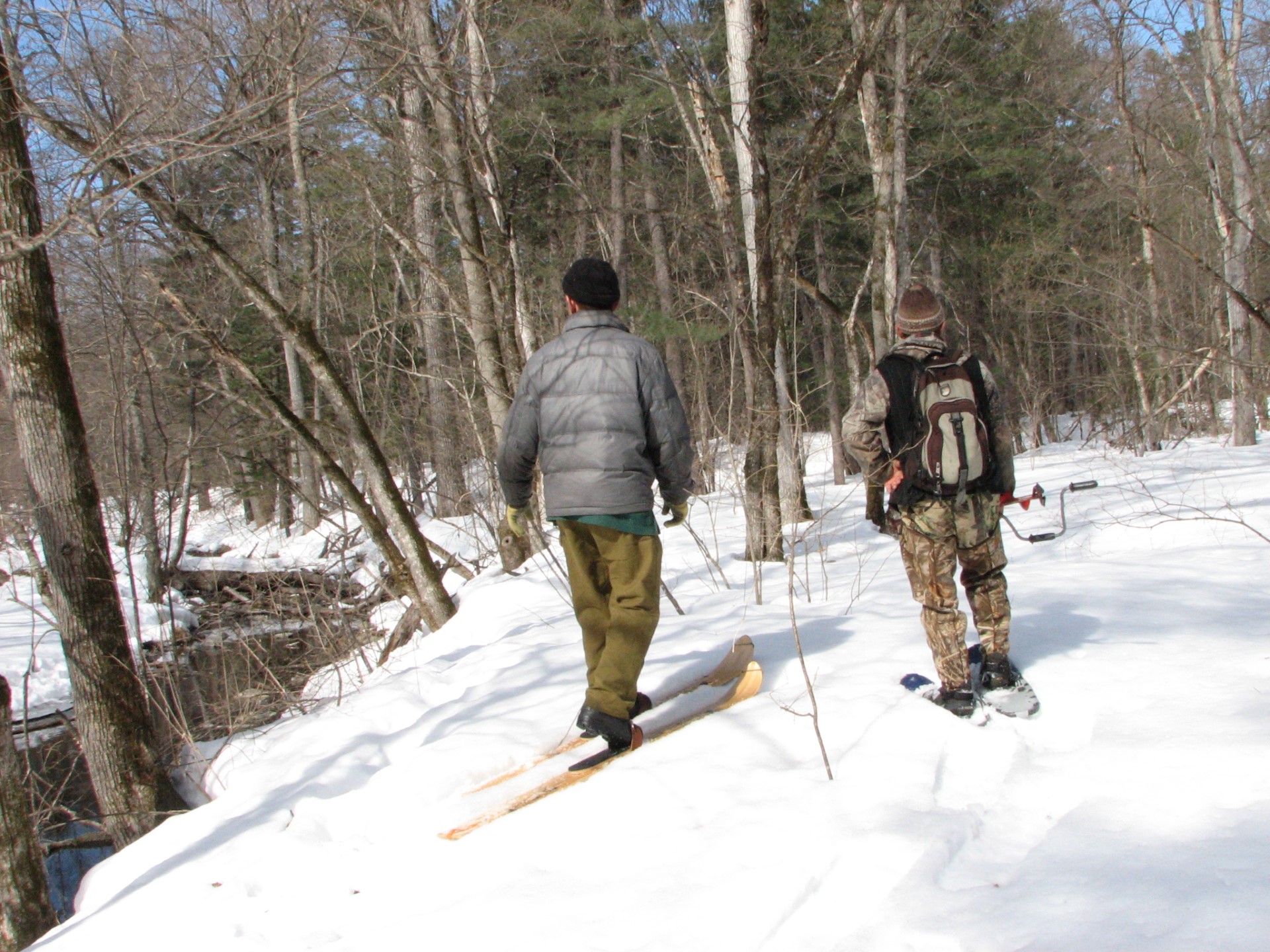
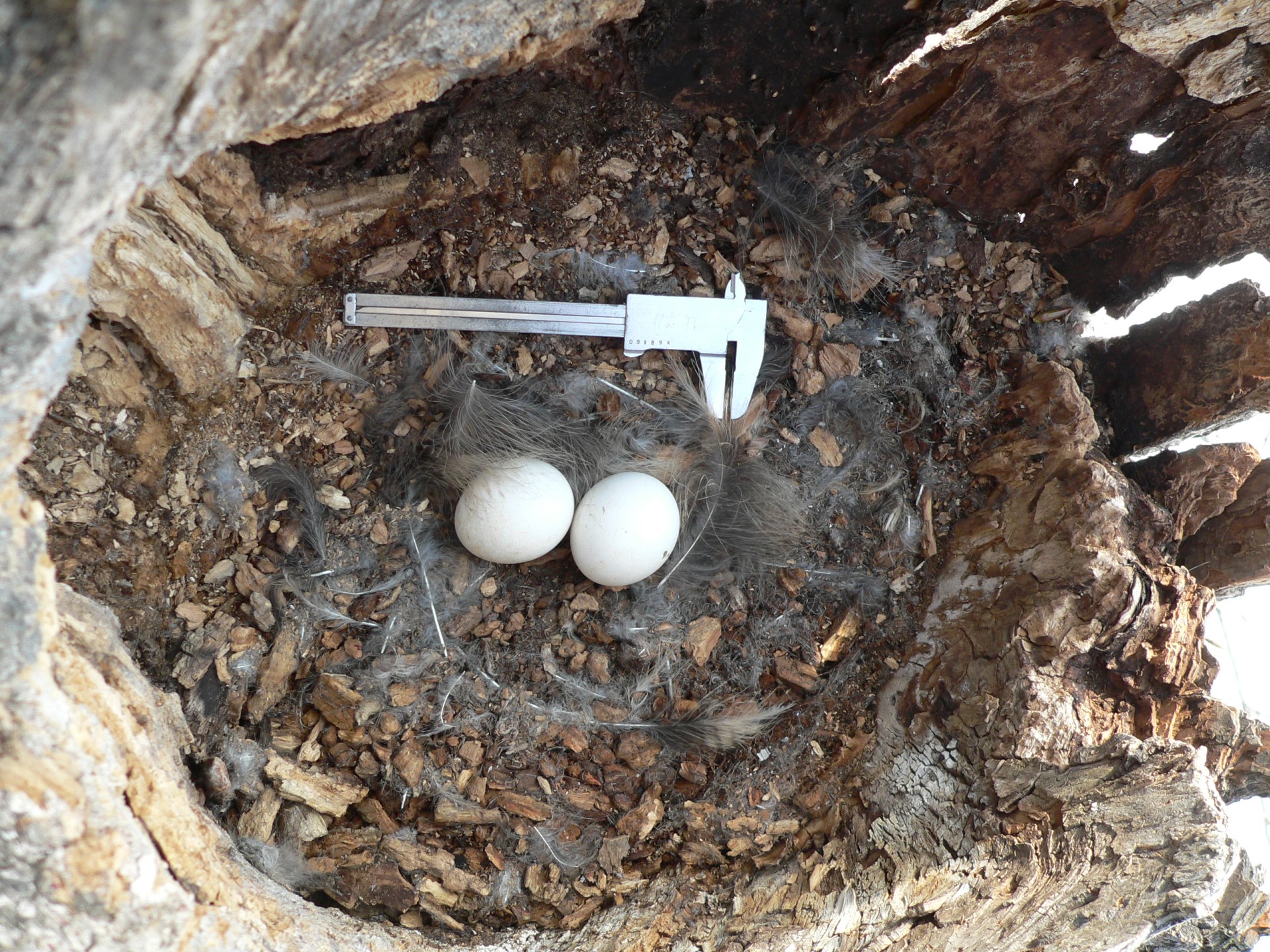
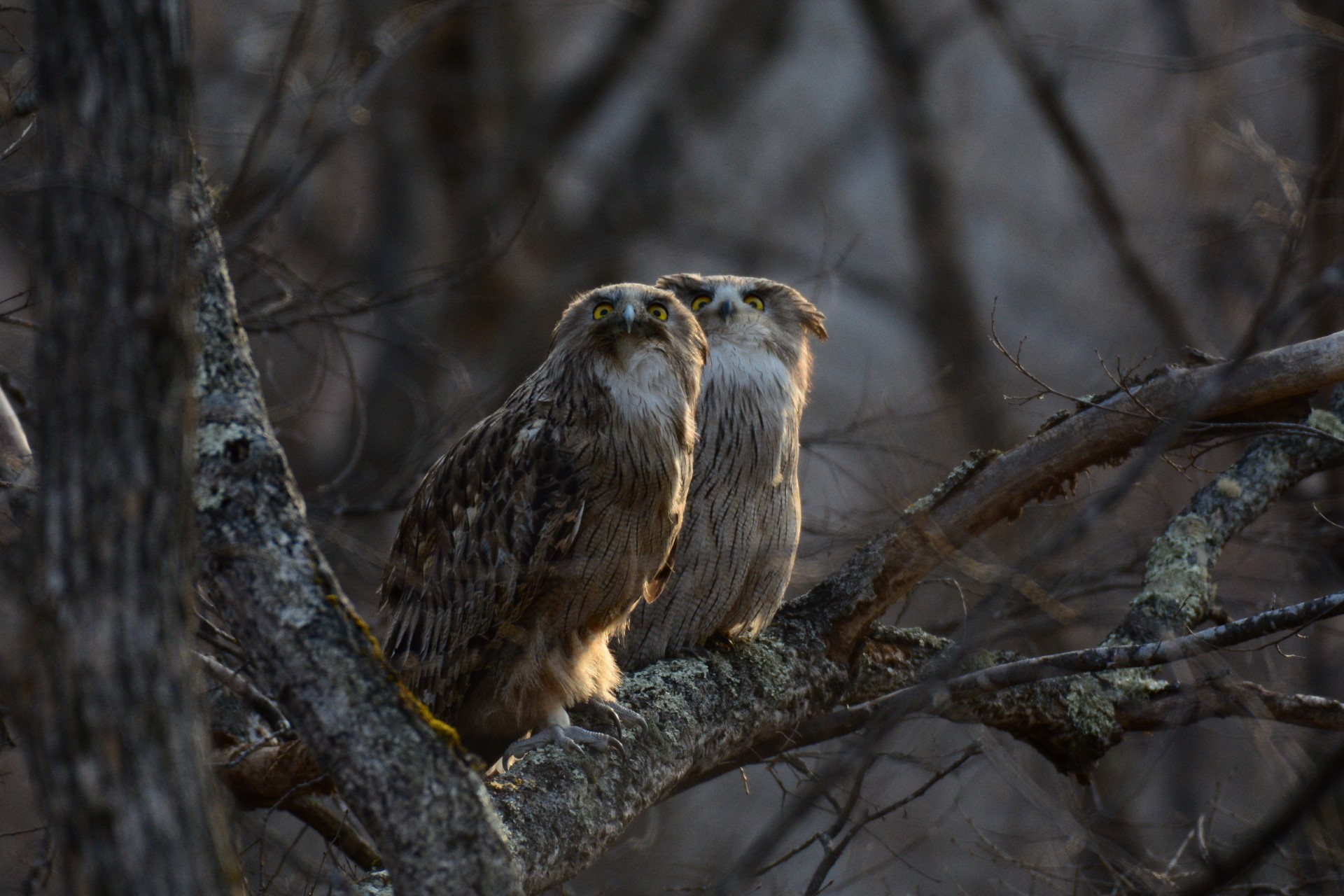
Over the past several decades, numerous expeditions have been carried out to determine the species’ current range, assess population size, and study the biology of the Blakiston’s fish owl. Hundreds of hours have been spent observing birds at nesting sites and feeding grounds. These efforts have yielded unique photographic and video materials, while the movements and fate of birds marked with color bands and GPS transmitters have also been tracked. Professional ornithologists, photographers, videographers, and bird enthusiasts have taken part in this work, united by a shared commitment to conserving this rare predator.
Key stages of the research have included surveys of the Iman River basin in 1988–1989; searches for the species along the rivers of the eastern Sikhote-Alin, where breeding was first confirmed in 1997 in Olginsky District of Primorye; and subsequent systematic surveys of rivers in northeastern Primorye. From 2005 to 2007, year-round expeditions were conducted in the Samarga River basin. These studies established that the species was relatively common in the area, with the size of the local population comparable to that of the largest mainland protected areas. Between 2007 and 2012, territorial behavior was studied using GPS tracking, while from 2016 to 2021, researchers assessed the role of protected areas in conserving the species.
A separate research focus has been the study of nesting biology, feeding behavior, and reproductive potential of the Blakiston’s fish owl. Nighttime video monitoring, combined with collaboration with Russian and international specialists, produced rare footage of nocturnal fishing and other unique materials. These observations helped refine our understanding of the species’ diet, hunting techniques, adult behavior, and the feeding of chicks. The findings have provided an important foundation for further conservation efforts. This work has included filming projects carried out in cooperation with VGTRK, the documentary Owl Wanted (Razyshchetsya filin) for the Living Planet channel, and a series of Wild Russia films produced in cooperation with National Geographic.
Research is currently continuing with the support of the Presidential Fund for Nature (the project “Assessment of the Mainland Population of the Blakiston’s Fish Owl in Primorye”) and the Nature Defenders Foundation (the project “Save the Blakiston’s Fish Owl”). This support allows us to expand the scope of our fieldwork and deepen our understanding of the ecology of this unique species.